
A website redesign is either the best money you’ll spend this year or an expensive way to avoid the real problem. Same project, wildly different outcomes, and the deciding factor isn’t the design. It’s whether you’re fixing an actual business problem or just scratching an itch.
I say this as someone who redesigns sites for a living, so it’s not in my interest to talk you out of one. But a redesign done for the wrong reason burns money and momentum, and half the time the thing you’re unhappy with isn’t even the design. So before you tear it all down, here’s how to tell a real reason from procrastination with a budget.
The short version
A redesign should fix a number, not a mood.
- A redesign is a business decision. Do it to fix a result, not because you’ve grown bored of looking at it.
- Real reasons are measurable. It isn’t converting, it’s slow or broken on mobile, or the business has outgrown the story it tells.
- Fake reasons feel emotional. It looks dated to you, a competitor relaunched, or you just fancy a change.
- Refresh, redesign and rebuild are different sizes. Don’t pay to rebuild when a refresh would do the job.
- Words and structure beat a new coat of paint. A prettier site that still doesn’t convert is just a more expensive money pit.
What a redesign is actually for
A redesign should have a job, the same way a hire or a new product line has a job. If you can’t say what number it’s meant to move, you’re not planning a redesign, you’re planning a distraction.
In practice the job is almost always one of three things: the site isn’t converting the traffic it already gets, it’s slow or clunky on a phone, or the business has changed and the site still tells the old story. Notice that none of those is “it looks a bit 2019”. Design matters, but it’s the vehicle, not the goal. A redesign that makes a page prettier without making it clearer or faster to act on hasn’t earned its cost, which is the same reason conversion rate optimisation and the words on the page usually move the needle more than the visuals do.
The real reasons to redesign
These are the ones worth spending on, because each ties to a result you can actually measure before and after.
It’s not converting. Traffic’s fine, but enquiries or sales aren’t following. If the visitors are there and the site isn’t turning them into anything, the site is the bottleneck, and that’s exactly what a redesign is for.
It’s slow, or it falls apart on a phone. Most of your visitors are on mobile, and a slow or awkward experience quietly costs you rankings and sales every single day. That’s not a taste problem, it’s a revenue leak.
The business has outgrown it. New services, a new audience, a sharper position. If the site still sells who you were two years ago, it’s actively working against you, and no amount of tidying fixes a story that’s simply wrong now.
A real one: great business, invisible website
Here’s a redesign that worked, and I’ll flag up front that it went better than most, so take it as the ceiling, not the average.
We took on a nutrition brand that was, by every measure that counts, excellent. Genuinely exceptional reviews, one of the highest-rated in its field. You’d never have guessed it from the website. It was a dinosaur WordPress build that looked like it had been laid out in Microsoft Paint: no story, every second sentence starting with “we”, overwhelming, and structured so badly you couldn’t find the good stuff if you went looking. All that credibility, hidden behind a site that actively undersold it.
So this was a real-reason redesign. The business had outgrown the site by a mile, and the site was the thing holding it back. We didn’t tear it down for the fun of it. We fixed the narrative first, worked out the actual “why” behind the brand, made the customer the hero instead of the company, and rebuilt the structure so the reviews and the expertise finally had somewhere to land.
2x+
organic traffic
~3x
organic keyword rankings
~100%
engagement, up from almost none
Then the rare part kicked in. Outlets started reaching out for interviews, press deals appeared, and the SEO didn’t just recover, it took off: he began ranking for real money terms, organic traffic more than doubled, keyword rankings roughly tripled, and engagement climbed from basically nothing to close to 100%. I’ll be honest, we don’t see it swing this hard often. But that’s what happens when a genuinely great business finally gets a site that tells the truth about it.
Real reason, or procrastination?
Here’s a quick gut-check. Pick the reason you’re thinking about a redesign, and I’ll tell you straight whether it’s worth the money.
Redesign gut-check
Redesign. Your site’s one job is to turn visitors into enquiries. If the traffic’s there and it isn’t, the site’s the bottleneck and a redesign earns its cost.
Redesign. Speed and mobile are ranking and conversion factors. A slow, clunky site leaks money every day, so this one usually pays for itself fast.
Redesign. New services, new audience, new position. If the site sells who you were two years ago, it’s holding you back, and that’s worth fixing properly.
Probably a refresh. You see it every day; your customers don’t. If it still converts, new fonts and photos will do far more per dollar than a rebuild.
Hold off. Their new site isn’t your strategy, and you can’t see their numbers. Redesign for your results, not their relaunch.
Spend it elsewhere. Fair enough, but “fresh” isn’t a business reason. If the site’s working, put the budget where it moves a number.
The reasons that are really just procrastination
None of these are silly, they’re just not worth a rebuild on their own. If the site is quietly doing its job, treat them as a nudge to refresh, not an excuse to start over.
It looks dated to you. You stare at your own site more than any customer ever will. What reads as tired to you is often invisible to a first-time visitor who just wants to find your number and book. If it converts, leave the foundations alone.
A competitor relaunched. A shiny competitor site is the most common redesign trigger there is, and one of the worst. You’re comparing their front-of-house to your own behind-the-scenes worries, with none of their actual results to go on.

The redesign conversations I most enjoy are the ones where I talk a client out of it. Someone comes in convinced they need a full rebuild, and once we actually look, the site’s converting fine and the real problem is a weak offer or thin traffic. Redesigning it would’ve cost them five figures and fixed nothing. A redesign is a great tool, but it’s a terrible security blanket, and part of my job is knowing the difference.
Redesign, refresh, or rebuild?
Half the wasted money comes from picking the wrong size of job. These are three different projects with three different price tags, and most people reach for the biggest one by default.
| Refresh | Redesign | Rebuild | |
|---|---|---|---|
| What it is | New colours, fonts, images and small copy tweaks on the same site | New design and structure, usually on the same platform | A new site from scratch, often on a new platform |
| Do it when | It converts fine but looks a little tired | It isn’t converting, or the message has outgrown it | The platform itself is holding you back or can’t be maintained |
| Watch out | A coat of paint won’t fix a conversion problem | Keep the pages and copy that already work | Biggest cost and SEO risk, so don’t rebuild to dodge a decision |
Before you spend a cent
Thinking about a redesign? We’ll tell you if you actually need one.
We start every web project by agreeing what number it has to move, and we’ll happily talk you out of a rebuild you don’t need.
How to redesign without losing what works
Once you’ve decided it’s a real redesign, the goal is to move forward without throwing away the bits that already earn their keep. A redesign should be a scalpel, not a bulldozer.
Keep what converts. Before anyone touches the design, find the pages, offers and copy that are already pulling their weight and protect them. Plenty of “redesigns” quietly delete the one page that was doing all the work.
Plan the structure before the pixels. Where people go and what they do matters more than the palette, so map it first. That’s a sitemap and user-flow job, and it’s the step most redesigns skip and later regret.
Protect your SEO. A redesign that changes your URLs without redirects can wipe out rankings you spent years earning. Map the old pages to the new ones before launch, not after the traffic drops.
Before and after: real redesigns
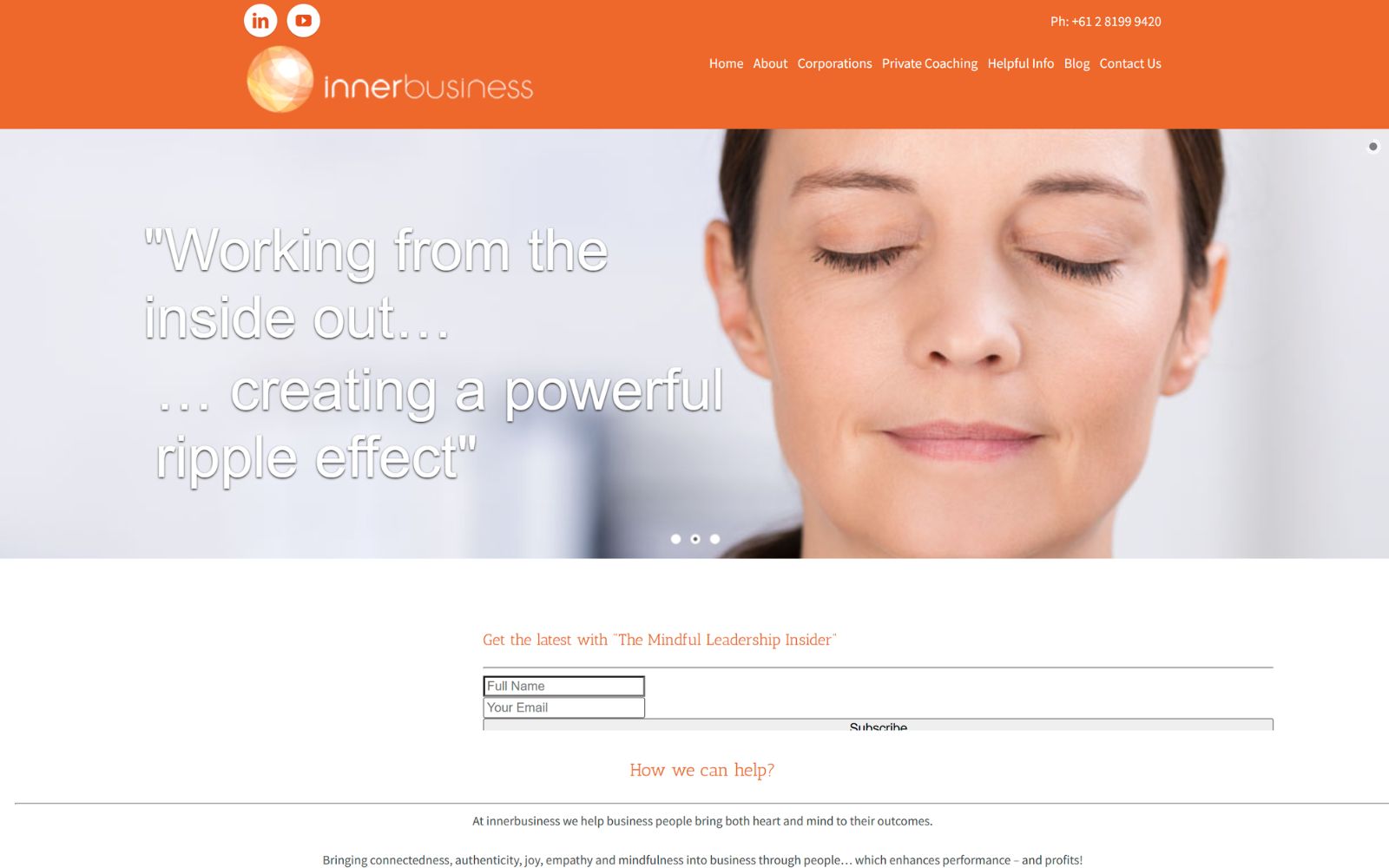
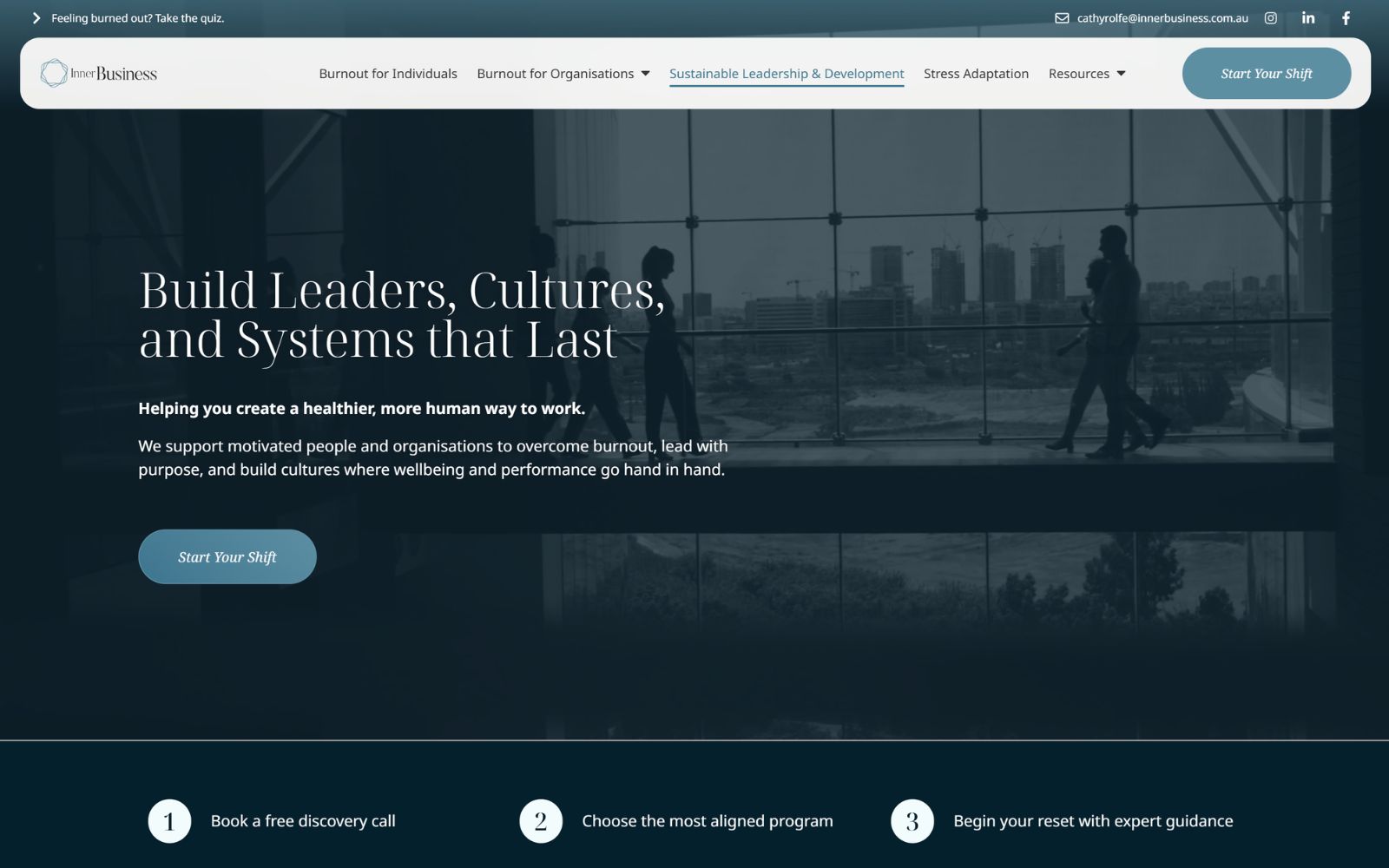
Theory’s cheap, so here are three of ours. Same businesses, same substance, just a site that finally does them justice. Before on the left, after on the right.




Frequently asked questions
How much does a website redesign cost?
It depends on whether it’s a refresh, a redesign or a full rebuild, and how many pages and features are involved. A light refresh is a fraction of a ground-up build. You can see how the numbers break down in what a website actually costs.
How often should I redesign my website?
There’s no set clock. Redesign when the site stops doing its job, not on a schedule. A well-built site can run for years with small refreshes, and a poorly built one can feel dated in twelve months. The trigger should be results, not the calendar.
Should I redesign or just refresh?
If the site converts and the message is still right, a refresh of colours, images and copy usually does the job for far less. Go for a full redesign when it isn’t converting, it’s slow or broken on mobile, or the business has genuinely outgrown it.
Will a redesign hurt my SEO?
It can, if you change URLs without proper redirects or strip out content that was ranking. Done carefully, with a redirect map and your best-performing pages protected, a redesign can improve SEO rather than damage it.
How long does a website redesign take?
A focused redesign usually runs a few weeks to a couple of months, depending on page count, how ready your content is, and how many rounds of feedback there are. Rebuilds on a new platform take longer. Clear content and quick decisions are what speed it up.